
Efficient window planning typically compares U-factor, solar heat gain behavior, visible transmittance, and air leakage values. These metrics are usually interpreted with local climate patterns and building orientation in mind.
Glass configuration can include double or triple glazing, gas fills, and coating types designed for specific seasonal needs. The objective is often to balance daylight quality with reduced heat transfer through the opening.
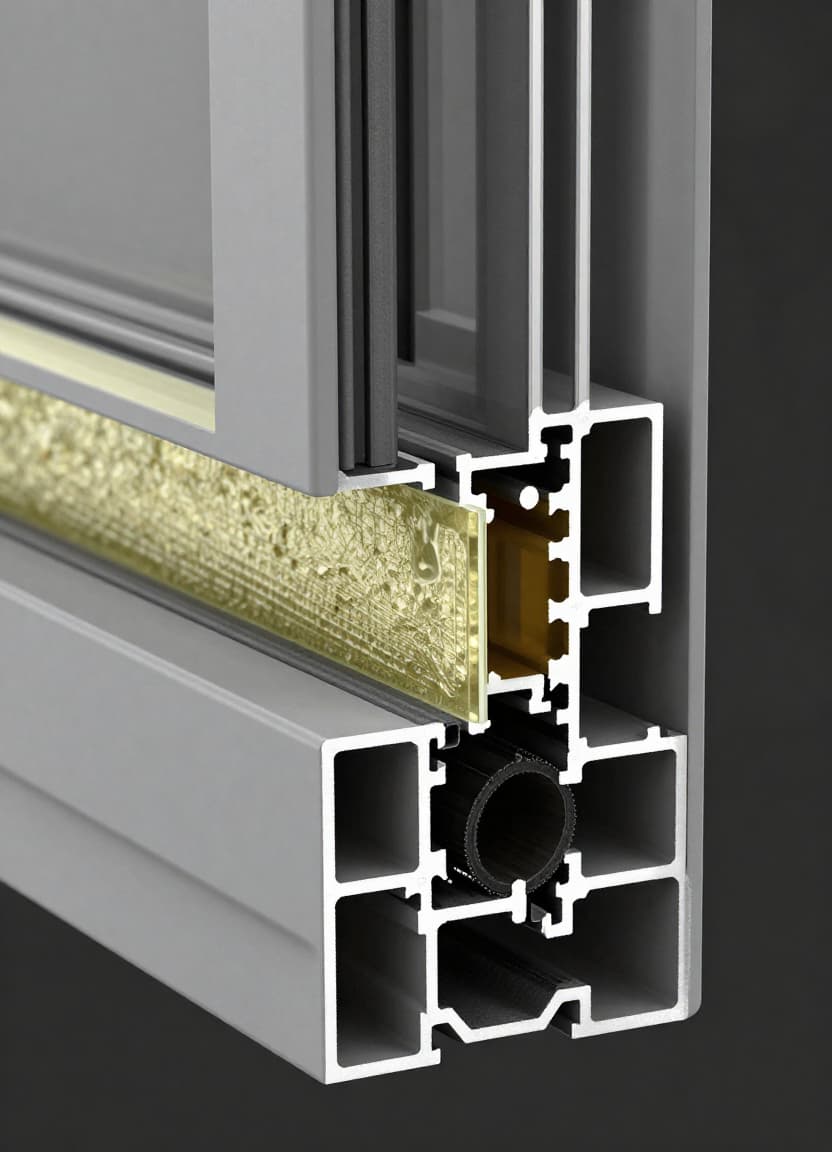
Frame design also contributes to thermal results. Profile structure, spacer technology, and edge detailing influence overall window assembly performance and interior comfort stability.
Evaluation generally considers room function and occupancy periods. Spaces with strong sun exposure, temperature fluctuation, or noise sensitivity may benefit from different specification priorities.
- Performance metric review using climate-specific criteria.
- Glass package comparison for daylight and thermal balance.
- Frame and spacer options evaluated for thermal continuity.
- Room-based prioritization for comfort and operating conditions.