
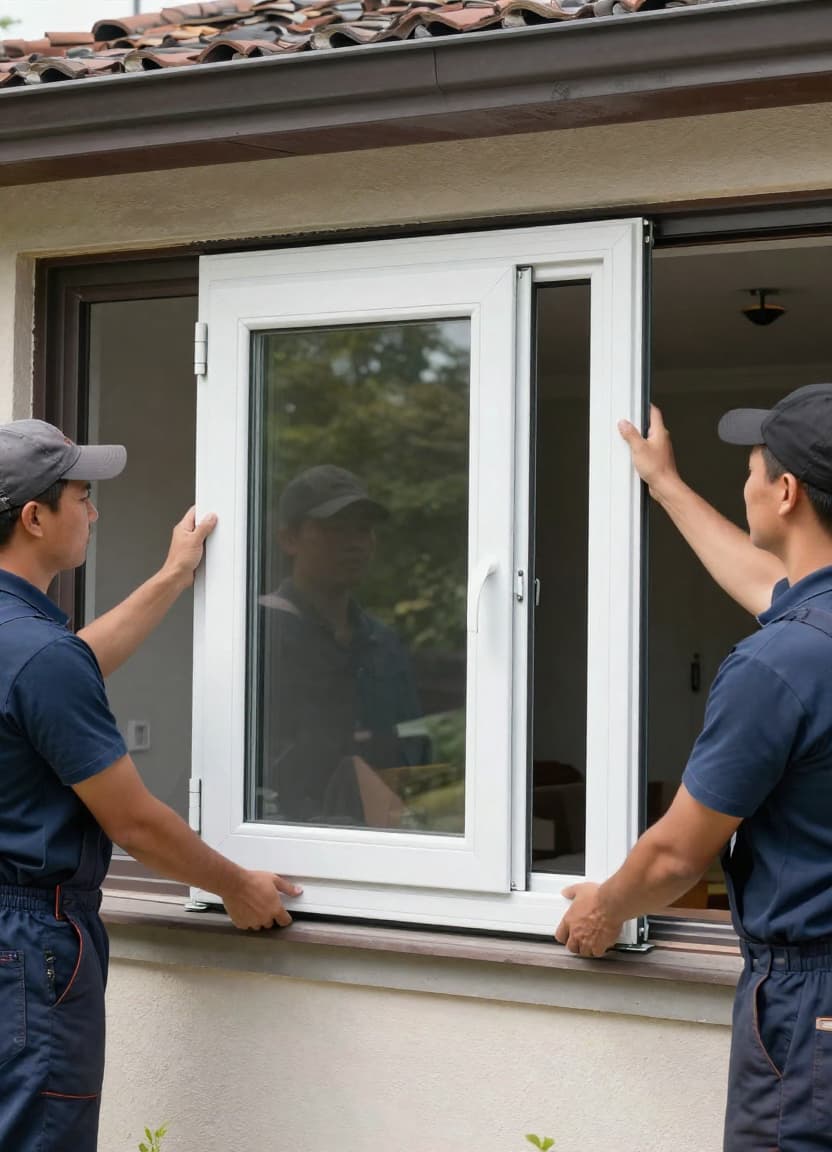
Replacement planning usually starts with a condition review of existing frames, sash operation, and glazing behavior. Common indicators include condensation between panes, recurring air leakage near joints, and difficulty opening or locking the unit.
Two main replacement approaches are typically evaluated: insert replacement and full-frame replacement. Insert methods preserve existing frame structures when alignment and structural integrity remain acceptable. Full-frame methods are generally reviewed when surrounding materials show movement, moisture exposure, or repeated seal deterioration.
Material and glass selection are usually matched to local climate, facade style, and indoor comfort priorities. Typical comparison points include thermal resistance, solar heat behavior, frame maintenance routine, and visible light transmission.
Scheduling is often phased by room usage to reduce disruption. Access constraints, furniture clearance, and finish protection are reviewed during preparation so the replacement sequence is clearly defined before installation starts.
- Condition review of frame, hardware, and glazing behavior.
- Replacement method comparison based on structural findings.
- Material and performance options matched to climate context.
- Phased scheduling and preparation checklist for each room.